axxessp.r1@gmail.com
Thornton, Colorado




October 14, 2026
Drywall Repair and Painting in Aurora, CO: Prep Guide
TL;DR
What does drywall repair before painting actually involve?
Drywall repair and painting in Aurora comes down to one rule: the repair has to be finished and primed before the color goes on. A patch that is flat, sanded and sealed disappears under paint. A patch that was rushed shows up every time the sun hits the wall.
AXXESS Painting and Remodeling, based in Thornton, Colorado, handles drywall repair and prep as part of interior painting for homeowners in the Aurora area. This guide explains what proper repair involves, what Aurora says about permits, how Colorado's dry winter air affects the work, and how to decide between patching it yourself and hiring a painter.
What does drywall repair before painting actually involve?
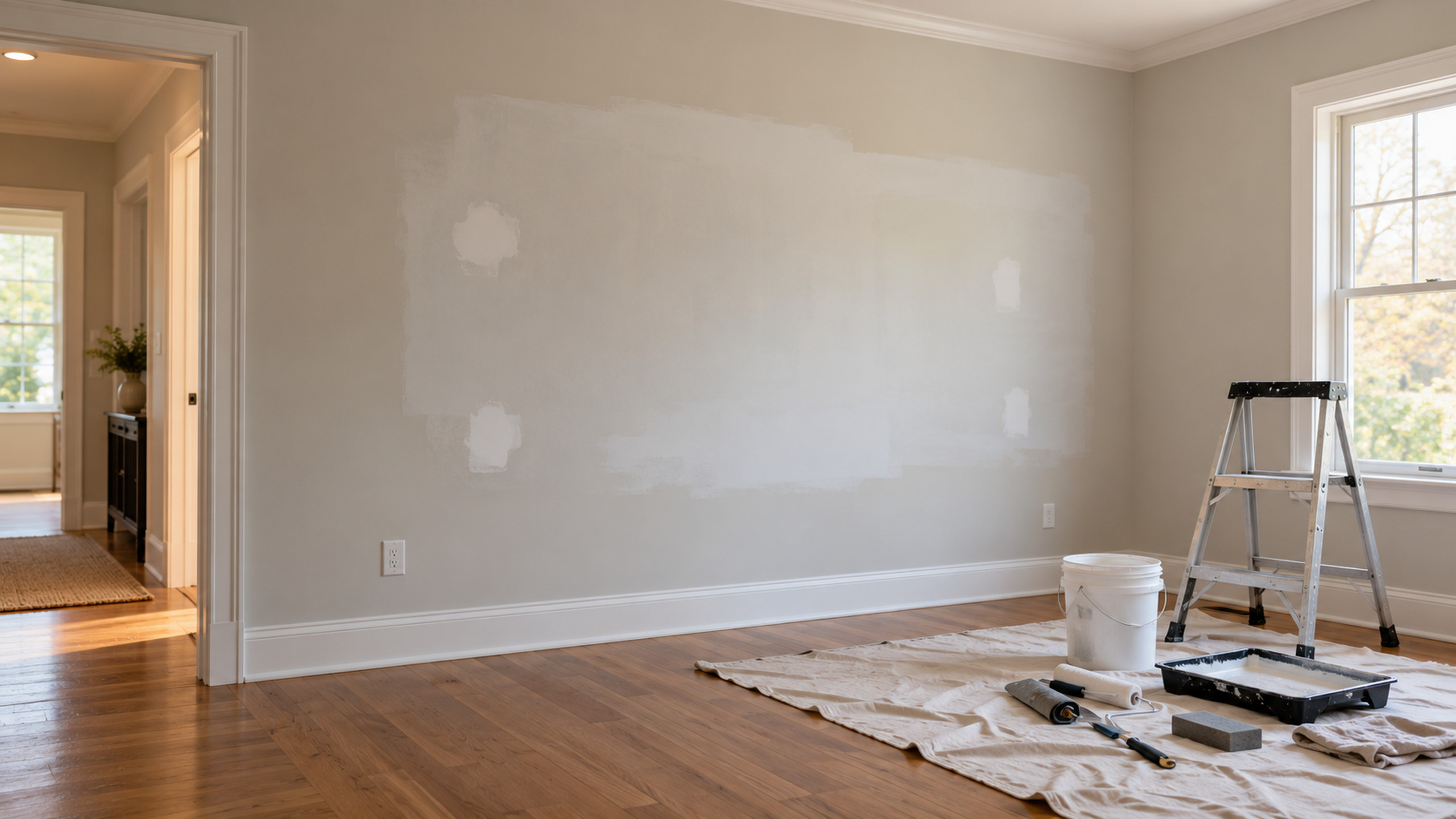
Drywall repair before painting means removing damaged material, filling the gap, building a smooth surface with joint compound, sanding it flush, and priming the repair so it absorbs paint like the rest of the wall. Skipping any of those steps is what causes visible patches after the paint dries.
Joint compound is the pastelike material used to fill seams and holes in drywall. It dries hard and sands smooth, but it is porous. That porosity is the reason primer matters so much. One drywall repair guide from Mr. Handyman puts it bluntly: "Never skip the priming step," and notes that joint compound cannot be painted on top of.
The basic order of work
The order matters more than the products. A reliable repair follows the same sequence whether the damage is a nail pop or a doorknob hole.
That last point surprises many homeowners. Painting only the patch leaves a visible square, because new paint rarely matches paint that has aged on the wall for years. Painting a full wall from corner to corner is usually the cleaner result.
Do you need a permit for drywall repair or painting in Aurora?
Usually not. The City of Aurora's do-it-yourself homeowner handbook says a permit is typically unnecessary for minor work such as repairing drywall or adding shelving units, and its permit list shows no permit or plan submittal for painting. Rules change, so confirm your project with the city first.
The handbook draws a line when the work goes deeper than the surface. For interior remodels, a permit is generally needed when work involves changing anything within the wall space, such as wiring or plumbing. Replacing flooring is treated as cosmetic when the change is cosmetic only.
Where repair turns into remodeling
A drywall repair job can turn into a bigger project once the wall is open. Water damage behind a bathroom wall, for example, may reveal plumbing issues. Moving a wall, adding an outlet, or relocating a light switch is different from patching a hole.
The handbook also says the property owner or the person hired to do the work is responsible for obtaining necessary permits, and that hired contractors must be licensed by the city of Aurora. Ask any contractor you hire what permits and licenses apply to your specific job. AXXESS is licensed and fully insured, and we recommend confirming permit rules with the city for your address and scope.
How do you patch a hole in drywall so it disappears under paint?
Match the repair method to the hole size. Small holes need filler and two coats. Medium holes need a self-adhesive patch covered with compound. Large holes need a cut-in drywall piece screwed to backing. Every method ends the same way: sand, prime, then paint.
The Mr. Handyman guide groups repairs by size, and that framework works well for planning.
Small holes: nail holes, screw pops and dings
For holes smaller than a nickel, the guide says to remove loose debris, bevel the edge with a utility knife, and wipe away dust with a damp rag. Fill with spackle or joint compound and smooth it flush with the wall. Let it air-dry, sand lightly, apply a second coat, and sand again once dry. A third coat is optional for a smoother look.
These are the repairs most homeowners can do well. The usual mistake is overfilling, which leaves a raised bump that shows in side light.
Medium holes: doorknob dents and anchor holes
For holes under six inches, the guide calls for sanding and cleaning the area, pressing a self-adhesive patch onto the wall, and covering it with joint compound using crisscross strokes. Spread enough compound to feather the edges. Once dry, sand lightly, apply a second coat, sand again, then prime and paint.
Feathering means widening each coat so the edge blends into the wall instead of ending in a ridge. A narrow patch with a hard edge is the most common reason a repair stays visible.
Large holes: water damage and removed fixtures
For holes over six inches, the guide describes cutting a new drywall piece slightly larger than the hole, tracing it, and cutting out the damaged section. Furring strips go through the opening and are pulled tight behind the wall and screwed in from the front. The new patch is set and screwed to the strips. Drywall tape is bedded in joint compound along the edges, then the area is covered with compound, sanded, coated again, sanded, primed and painted.
Large repairs are where hiring help pays off. They involve more steps, more drying time, and more chances for a visible edge.
Why do patches show through after painting?
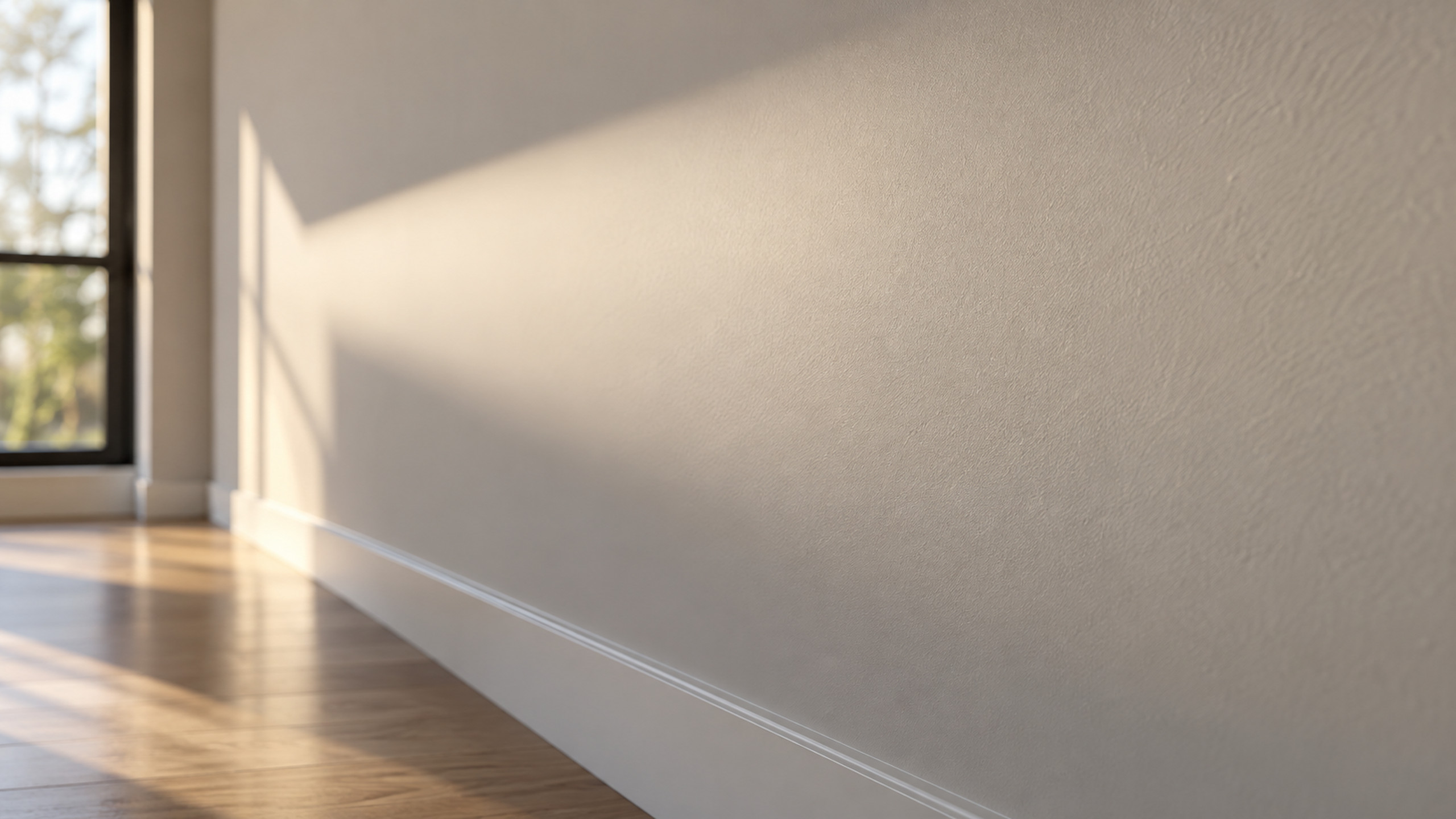
Patches show through when the repaired area absorbs paint differently than the wall around it, when the texture does not match, or when the repair was not fully dry before painting. Primer, texture matching, and patience between coats prevent all three problems.
These three causes explain nearly every callback after a patch job.
A simple dryness check
USG offers a hand test for deciding whether a coat is ready for recoating. Place your hand on the coated area, then on a nearby uncoated non-metal surface. If the coated area feels cooler, it is not dry yet and needs more time. It is a free test that prevents a lot of rework.
How does Colorado's dry winter air affect drywall repair?
Cold slows joint compound and very dry or hot conditions can dry it too fast. USG says all joint compounds, textures and paints must be used at 55 degrees Fahrenheit or higher, and that rapid drying can crack compound at the tape edges. Keep the room steady and avoid blasting heat at fresh repairs.
Front Range homes tend to run dry indoors once the heat comes on, and cold snaps arrive fast in the fall. That combination makes the weeks from October through March worth planning around.
What the manufacturer guidance says
The practical takeaway is simple. Keep the house at a normal, steady temperature while repairs dry, keep fans and heater vents from blowing directly on fresh patches, and give each coat enough time.
Does an older Aurora home need lead-safe steps for drywall and paint prep?
Yes, if the home was built before 1978. The EPA says a home built before 1978 may have lead-based paint, and that renovation work in those homes can easily create dangerous lead dust. Sanding, scraping and cutting painted surfaces are the activities to treat with care.
Aurora has neighborhoods with homes from many different decades, so the age of your house matters. If you cannot tell when the home was built, the EPA says it is safest to assume the area you are renovating has lead-based paint.
What the EPA recommends
Our recent guide to lead-safe interior painting prep covers this in more detail. If you have a pre-1978 home and a larger repair on the schedule, ask your painter how they handle dust containment before any sanding begins.
Should you patch drywall yourself or hire a painter?
Patch small nail holes and dings yourself if you have time and patience. Hire a painter when the damage is large, the ceiling is involved, the wall has texture to match, the home is pre-1978, or the repair covers several rooms. The deciding factor is usually how visible the result will be.
When DIY makes sense
When hiring a painter is the better call
Repair work also pairs naturally with other projects. If a kitchen or bath update is on your list, our guides on planning a kitchen remodel and preparing your home for interior painters can help you sequence the work.
What should you expect from a drywall repair and painting job in Aurora?
Expect a walkthrough of the damage, a clear scope that separates repair from painting, patience for drying time between coats, primer on every repair, and a final check in good light before the job is called finished. A good painter explains each of these before work starts.
AXXESS Painting and Remodeling follows a four-step service process that ends with a final walkthrough, and communication stays responsive from the first call to the last. We use premium materials and techniques on interior painting work, and drywall repair and prep sit inside that scope. You can read more about our interior and exterior painting services and the company behind them.
Questions to ask before you hire
How to inspect a finished repair
Stand to the side of the wall and look along it with daylight coming through a window. Ridges, bumps and dull spots show up in angled light long before they show up head-on. Check again once the paint has fully dried, then check at night with the lights on. If you can see the patch from across the room at any time of day, ask for it to be corrected before the job closes out.
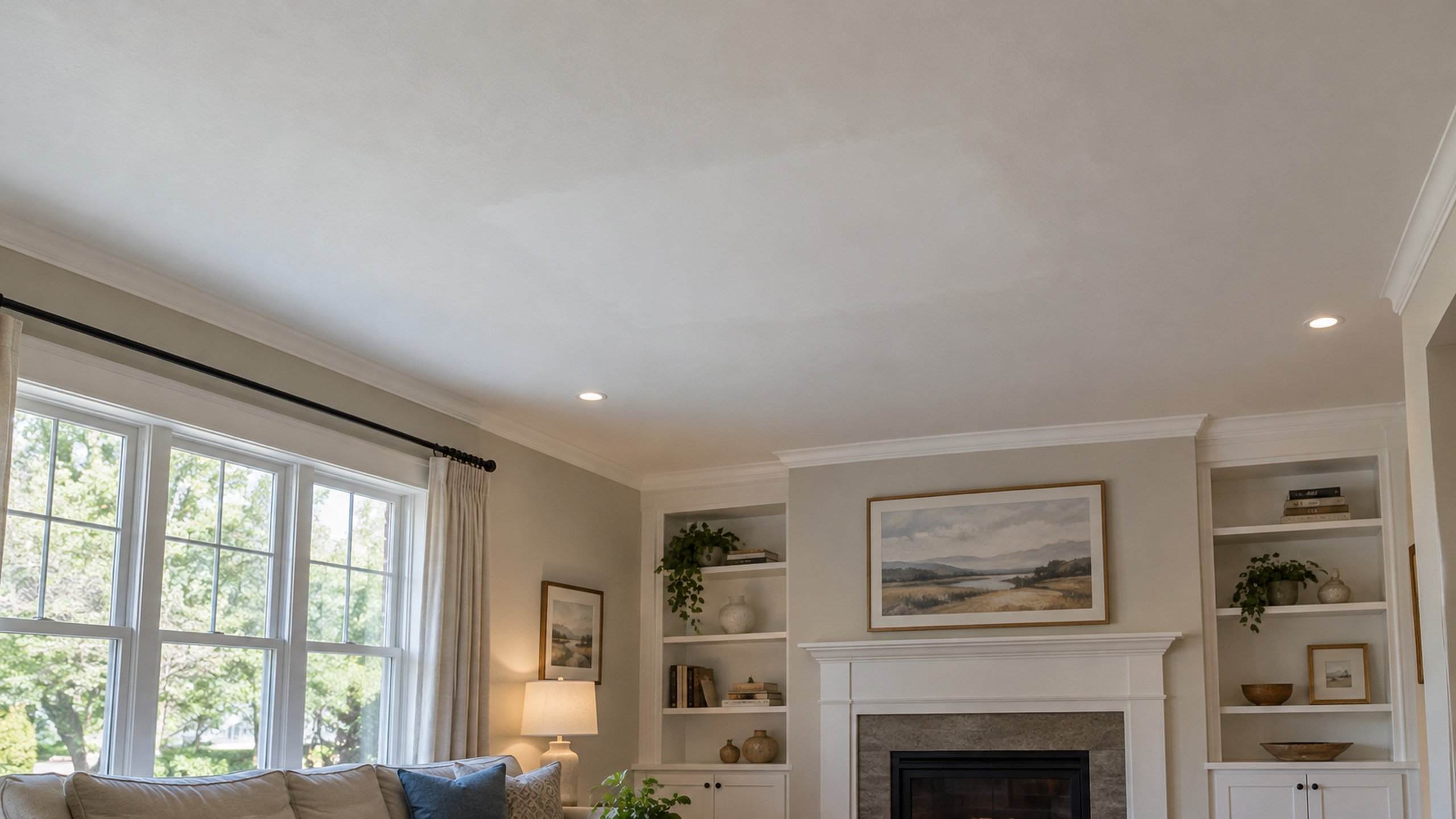
Ceilings deserve the same inspection. Look up along the length of the ceiling toward a window and watch for shadows around repaired areas.
Frequently asked questions about drywall repair and painting in Aurora
Can you paint over drywall patches without primer?
No. Joint compound is porous and absorbs paint unevenly, which leaves a dull, visible patch. Primer seals the repair so the finish coat looks the same as the wall around it. Spackle with built-in primer is only suited to small holes, according to the Mr. Handyman repair guide.
How long should joint compound dry before painting?
Dry time depends on thickness, temperature and humidity, so there is no single number. Each coat should be fully dry before sanding and recoating. USG's hand test helps: if the coated area feels cooler than a nearby dry surface, it is not ready. Warm, steady room conditions at 55 degrees Fahrenheit or higher are the starting point.
Do I need a permit to repair drywall in Aurora?
The City of Aurora's homeowner handbook says a permit is typically unnecessary for minor work such as repairing drywall, and it lists painting as needing no permit. Work inside the wall, such as wiring or plumbing, generally does need one. Call the Building Division Permit Center at 303.739.7420 to confirm your project.
Is it safe to sand drywall in an older Aurora home?
It depends on the age of the home and the layers of paint on the surface. The EPA says homes built before 1978 may have lead-based paint and that renovation work can create dangerous lead dust. Test first, contain the area, mist before sanding, and consider hiring a lead-safe certified contractor.
Why does my wall look blotchy after painting over a repair?
Blotchy patches are usually flashing, where unprimed or under-primed compound absorbs paint differently than the surrounding wall. A coat of primer over the repair, followed by finish paint across the whole wall, fixes most cases. Uneven drying or mismatched texture can also cause it.
Get your Aurora walls repaired and painted right
A clean paint job starts with clean prep. If your Aurora home has holes, cracks, water stains or patched walls that never quite blended in, AXXESS Painting and Remodeling can look at the damage and give you a clear plan. We serve homeowners in the Aurora area from our home base in Thornton.
Call (720) 226-5092 or request a free estimate and tell us which walls and ceilings need attention. You can also email axxessp.r1@gmail.com.
