axxessp.r1@gmail.com
Thornton, Colorado
.png)




April 24, 2026
How to Prepare Your Home for Interior Painters
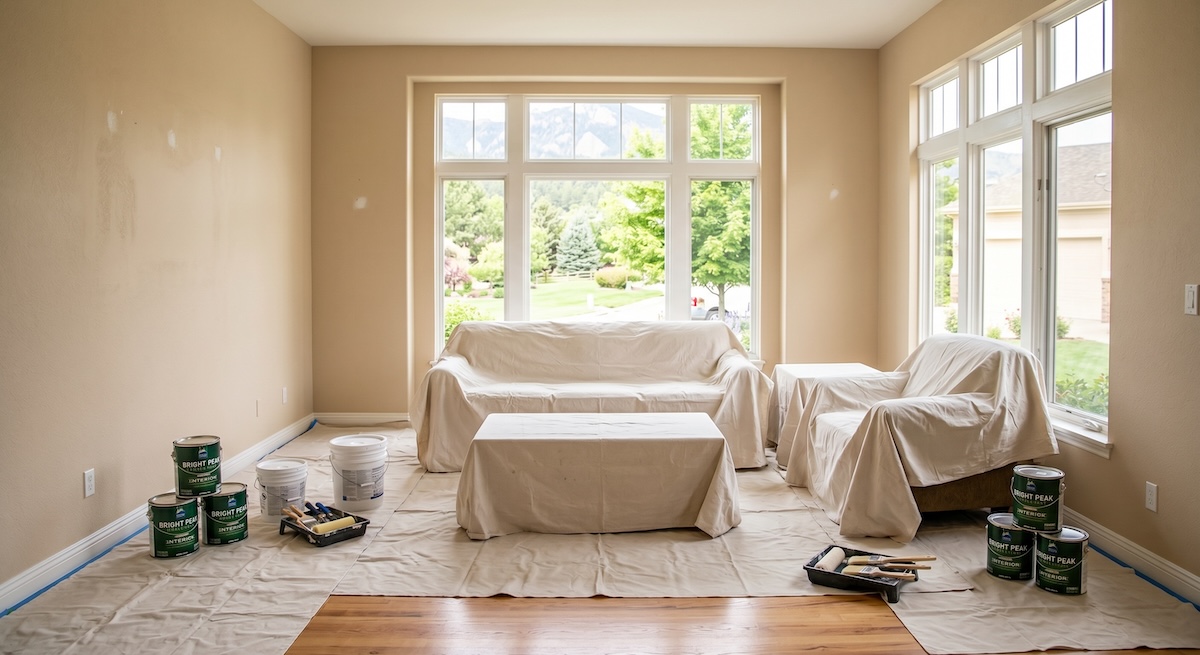
You've chosen your colors, hired a painting contractor, and scheduled your project. Now what? Proper preparation before your interior painting crew arrives makes the entire process smoother, faster, and less stressful for everyone involved. It also helps ensure you get the best possible results.
At AXXESS Painting & Remodeling, we handle the technical preparation like patching, sanding, and priming. But there are things you can do before we arrive that protect your belongings, give our crew clear access to work areas, and help your project stay on schedule.
Here's a complete guide to preparing your Thornton home for interior painters.
Why Preparation Matters
Professional painters arrive ready to work. Every minute they spend moving furniture, taking down curtains, or waiting for access to rooms is time not spent painting. While most contractors build some preparation time into their estimates, excessive obstacles can extend your project timeline and potentially increase costs.
Beyond efficiency, preparation protects your belongings. Paint splatters happen even with the most careful techniques. Items removed from the room face zero risk of accidental damage. Items left behind require covering and careful work around them.
Finally, preparation reduces your stress during the project. Walking into a room where painters are working around your grandmother's antique dresser creates anxiety. Knowing that dresser is safely stored elsewhere lets you relax and trust the process.
Two Weeks Before Painting
Confirm Project Details
Contact your painting contractor to confirm:
Start date and estimated completion. Make sure the schedule still works for both parties.
Colors and finishes. Verify that the colors you selected are correct and that paint has been ordered. If you've had second thoughts about any choices, now is the time to discuss changes.
Scope of work. Review exactly which rooms and surfaces will be painted. Ceilings? Trim? Doors? Closet interiors? Make sure you and your contractor share the same expectations.
Access requirements. Will painters need keys? Garage codes? Information about alarm systems? Work out these logistics before the first day.
Parking. Where should the crew park? If street parking is limited or requires permits in your Thornton neighborhood, communicate this in advance.
Start Decluttering
Begin removing items from rooms that will be painted. This task takes longer than most people expect, so starting early prevents last-minute scrambling.
Clear countertops and shelves. In kitchens, bathrooms, and living spaces, remove everything sitting on surfaces. Books, photos, decorative items, toiletries, and small appliances all need temporary homes.
Empty closets if they're being painted. This is a big job that takes time. If closet interiors are included in your project, start moving contents to other storage areas.
Take down wall decorations. Remove artwork, mirrors, clocks, shelving, and anything else mounted on walls. Store these items safely away from work areas.
Remove window treatments if possible. Curtains, blinds, and valances are easier to remove than to mask around. Taking them down also protects them from dust and potential paint contact.
Arrange Temporary Storage
Determine where displaced items will go during the project:
Another room. If painters are working room by room, you can often rotate belongings to spaces not currently being painted.
Garage or basement. These areas work well for furniture and boxes of smaller items.
Portable storage unit. For whole-house painting projects, renting a temporary storage pod provides space without cluttering your living areas.
Off-site storage. If your project will take several weeks, a storage facility might make sense for valuable or bulky items.
One Week Before Painting
Move Furniture
Professional painters can work around furniture, but moving pieces to the center of rooms or out entirely produces better results and faster completion.
Small furniture and accessories. Remove everything you can physically carry: side tables, lamps, plant stands, magazine racks, small chairs, ottomans, and similar items.
Large furniture. If possible, move sofas, beds, dressers, and dining tables out of rooms being painted. If removal isn't practical, move pieces to the center of the room where painters can cover them and work around them.
Heavy or built-in items. Entertainment centers, china cabinets, and extremely heavy pieces may need to stay in place. Discuss these with your contractor so they can plan accordingly.
Most painting contractors will move furniture as part of their service, but this takes time and adds to project duration. The more you can move yourself, the faster painting proceeds.
Clear the Walls
Remove all hanging items. Pictures, mirrors, shelves, coat hooks, towel bars, toilet paper holders, and decorative items all need to come down. Don't forget items in closets if those spaces are being painted.
Take out nails and hooks. Remove picture hangers, nails, and mounting hardware from walls. Your painters will fill these holes during preparation, but removing the hardware yourself speeds up the process.
Remove switch plates and outlet covers. Painters typically handle this, but if you want to help, unscrew and remove all electrical covers. Place screws in a labeled bag so they don't get lost. Avoid touching any wiring.
Detach curtain rods and hardware. Take down rods, brackets, and any window treatment hardware. If hardware is painted in place, it often looks sloppy.
Remove vent covers. Heating and cooling vent covers can be unscrewed and removed for cleaner painting around them.
Address Wall Damage You've Been Ignoring
Now is the time to point out any wall damage you want repaired:
Holes from removed anchors. Drywall anchors leave larger holes than simple nails. Make sure your painter knows these need patching.
Cracks in drywall or plaster. Temperature changes, settling, and age cause cracks that should be repaired before painting.
Water stains. Previous leaks leave stains that may bleed through new paint without proper priming. Point these out so painters can treat them appropriately.
Dents and dings. Doorknob impacts, furniture scrapes, and general wear create surface damage worth repairing.
Textured areas that need matching. If repairs require texture matching, discuss this with your contractor in advance.
Walk through each room with a critical eye and mark problem areas with blue painter's tape so nothing gets missed.
Communicate Special Concerns
Let your painting contractor know about:
Valuable or fragile items that can't be moved. If an antique piano or built-in aquarium must stay in place, painters need to know so they can protect it properly.
Recent repairs or new drywall. Fresh drywall and joint compound require specific priming for proper paint adhesion.
Allergies or sensitivities. If household members have chemical sensitivities, discuss low-VOC paint options and ventilation needs.
Pets. Dogs, cats, and other animals need to be kept away from work areas. Discuss how you'll manage pets during the project.
Children's schedules. If painters will be working while kids are home, establish which areas are off-limits and plan activities that keep children safely away from wet paint.
Security systems and alarms. Provide codes or instructions for any security systems painters might trigger.
Areas that are off-limits. If certain rooms shouldn't be entered, make this clear before work begins.
The Day Before Painting
Final Furniture Positioning
Complete any remaining furniture moves. Pieces staying in rooms should be positioned in the center, away from walls, with enough space for painters to work around them comfortably.
Clear Floors Along Walls
Remove anything sitting on floors near walls:
Floor lamps and plants. Move these to other rooms.
Pet beds and toys. Relocate to areas not being painted.
Shoes and items near entryways. Clear coat closet floors and entryway areas.
Exercise equipment. Treadmills, stationary bikes, and weight equipment near walls need to move.
Children's toys and play items. Anything on floors creates obstacles and risks paint damage.
Painters will lay drop cloths to protect flooring, but items left on floors must be moved before cloths go down.
Clean Surfaces That Will Be Painted
While professional painters handle most surface preparation, starting with reasonably clean walls helps:
Dust walls and trim. A quick pass with a microfiber duster removes surface dust and cobwebs that can affect paint adhesion.
Clean kitchen walls. Grease buildup near stoves requires cleaning before paint will adhere properly. Wipe down walls in cooking areas with a degreasing cleaner.
Address bathroom surfaces. Moisture and product residue accumulate on bathroom walls. A wipe-down with mild cleaner helps paint bond better.
Clean baseboards and trim. Dust and grime on trim should be wiped away before painting.
You don't need to scrub walls spotless. Painters will do detailed prep work. But removing obvious dirt, grease, and dust helps the process.
Protect Items in Adjacent Spaces
Paint dust and fumes travel beyond the room being painted:
Cover items in nearby rooms. If painters are working in your living room, consider covering furniture in the adjacent dining room with sheets.
Close doors to rooms not being painted. This limits dust migration and keeps pets contained.
Protect electronics. Computers, TVs, and stereo equipment in nearby rooms benefit from light covering.
Cover fish tanks. Paint fumes can harm fish. Cover aquariums and ensure good ventilation, or temporarily relocate tanks if possible.
Plan for the Next Morning
Set yourself up for a smooth start to the project:
Know when painters will arrive. Be awake and ready, or arrange access if you won't be home.
Clear a path from the entrance. Painters carry equipment, ladders, and supplies. Make sure they have clear access from their vehicles to work areas.
Identify a staging area. Painters need space to set up equipment and store supplies. A garage, unused room, or cleared corner works well.
Prepare pets. Decide where dogs and cats will stay during work hours and have that space ready.
Arrange parking. If painters need driveway access for loading and unloading, make sure vehicles are moved.
During the Painting Project
Day One
Be available for questions. The first day often brings questions about color placement, trim details, and other specifics. Being available helps work proceed smoothly.
Do a walkthrough with the crew leader. Review which areas are being painted, discuss any special instructions, and make sure everyone understands the scope.
Show painters where utilities are located. Light switches, circuit breakers, and thermostat locations help if issues arise.
Establish communication preferences. How should painters reach you with questions? Phone calls? Texts? Where will you be during work hours?
Throughout the Project
Maintain clear access. Keep pathways to work areas clear each day. Don't let clutter creep back into spaces painters need to access.
Keep pets secured. Dogs and cats are curious about strangers and wet paint. Keep them in designated areas away from painting activity.
Monitor children. Kids naturally want to explore what's happening in their home. Make sure they understand which areas are off-limits.
Limit foot traffic through work areas. Wet paint needs time to dry. Walking through freshly painted rooms risks footprints, smudges, and tracked paint.
Ask questions as they arise. If something looks different than you expected, address it immediately rather than waiting until the project ends.
Trust the process. Painting often looks worse before it looks better. First coats may appear uneven. Cut lines get refined. The final result comes together at the end.
Practical Living Adjustments
Interior painting disrupts normal routines. Plan for these realities:
Access to bathrooms. If your only bathroom is being painted, discuss timing with your contractor. Most painters can work around bathroom access needs with advance planning.
Kitchen access. Painting kitchens limits cooking. Plan simple meals, order takeout, or use outdoor grills during kitchen painting days.
Sleeping arrangements. If bedrooms are being painted, you may need to sleep elsewhere while paint cures. Strong odors and wet surfaces make freshly painted bedrooms uncomfortable.
Work-from-home considerations. If you work remotely, identify a space away from painting activity where you can concentrate. Discuss timing for painting your home office.
Children's needs. Kids need access to clothes, toys, and homework materials. Make sure essential items are accessible even when their rooms are being painted.
After Painting Completion
The Final Walkthrough
Before painters leave, walk through every painted space together:
Inspect in good lighting. Check walls, trim, ceilings, and doors in natural light and with room lights on. Different lighting reveals different imperfections.
Look at cut lines. Where walls meet ceilings, where walls meet trim, and where different colors meet should have clean, straight lines.
Check coverage. Look for thin spots, missed areas, or places where old color shows through.
Examine trim and detail work. Windowsills, door frames, and baseboards require careful attention. Make sure these areas are fully covered with clean edges.
Note any touch-ups needed. Point out concerns immediately. Reputable painters want to address issues before they leave.
Verify all areas were painted. Closet interiors, inside cabinet doors, and other easy-to-miss spaces should be checked if they were included in the scope.
Before Moving Items Back
Allow proper drying time. Paint may feel dry to touch within hours, but full curing takes longer. Most interior paints need 24-48 hours before hanging items or placing furniture against walls. Discuss specific timing with your painter.
Wait to clean. Freshly painted walls shouldn't be washed for at least two weeks while paint fully cures. Wiping too soon can damage the finish.
Be careful with tape removal. If painters used tape on trim or edges, it should be removed before paint fully hardens to ensure clean lines.
Ventilate thoroughly. Open windows and run fans to clear paint odors, especially if household members are sensitive to fumes.
Returning Your Home to Normal
Rehang items thoughtfully. This is an opportunity to reconsider placement of artwork and decorations. Your freshly painted walls deserve thoughtful arrangement.
Use proper hardware. When rehanging heavy mirrors or shelving, use appropriate anchors to protect your new paint job from damage.
Move furniture carefully. When returning furniture to its place, avoid scraping walls or dragging items across freshly painted baseboards.
Keep touch-up paint. Your painter should leave leftover paint for future touch-ups. Store these cans properly and label them with the room and color name.
Take photos. Document your fresh paint job for reference. These images help when describing colors to others or matching paint for future touch-ups.
Special Situations
Painting While Living in the Home
Most interior painting happens while homeowners continue living in the house. Make it work smoothly:
Create a comfortable retreat. Designate one room as your "home base" that won't be painted until last. Keep essentials there.
Establish routines. Know which areas painters will work on each day so you can plan around their schedule.
Maintain patience. Living amid a painting project is inconvenient but temporary. Focus on the beautiful results coming.
Homes with Extensive Trim and Millwork
Older Thornton homes often have detailed trim, crown molding, and architectural features:
Discuss detail work in advance. Painting intricate trim takes more time. Make sure your estimate accounts for this.
Consider color choices carefully. Multiple trim colors or accent details require careful planning and precise execution.
Allow extra time. Detailed homes simply take longer to paint properly.
Preparing Rental Properties
If you're painting a rental between tenants:
Coordinate with move-out and move-in dates. Build in buffer time for painting plus drying and airing out.
Address all repairs. Rental turnover is the perfect time to fix wall damage accumulated during tenancy.
Choose durable finishes. Eggshell and satin finishes clean more easily and withstand wear better than flat paints.
Preparing Homes for Sale
Fresh paint before listing requires strategic timing:
Schedule painting early in your preparation. Paint should be fully cured before showings begin.
Choose neutral, appealing colors. Bold personal choices can turn off potential buyers.
Ensure flawless results. Buyers scrutinize everything. Quality painting impresses while poor work raises concerns about overall home maintenance.
Common Preparation Mistakes to Avoid
Waiting until the last minute. Rushing preparation the night before painters arrive creates stress and often results in incomplete work.
Underestimating how long moving takes. Emptying rooms takes hours, not minutes. Start early.
Leaving valuables in work areas. Even honest, careful painters shouldn't be put in positions where missing items could be attributed to them. Remove valuables completely.
Forgetting about closets. Packed closets take significant time to empty. If closet interiors are being painted, start clearing them early.
Not communicating special needs. Painters can't accommodate concerns they don't know about. Share information proactively.
Hovering during work. Trust your painters to do their job. Constant monitoring creates pressure and doesn't improve results.
Skipping the final walkthrough. Addressing concerns before painters leave is far easier than calling them back later.
Ready to Schedule Your Interior Painting Project?
Proper preparation makes interior painting faster, smoother, and less stressful for everyone. By handling these tasks before your painting crew arrives, you help ensure excellent results and a project that stays on schedule.
At AXXESS Painting & Remodeling, we guide Thornton homeowners through every step of the painting process, from initial consultation through final walkthrough. We'll let you know exactly what we need from you and handle all the technical preparation that makes paint look beautiful and last for years.
Schedule your free estimate today by calling 720-226-5092 or contacting us online. We proudly serve Thornton, Westminster, Denver, Boulder, Aurora, Arvada, Brighton, Erie, Broomfield, and communities throughout the Front Range.
