axxessp.r1@gmail.com
Thornton, Colorado




November 2, 2026
Exterior House Painters in Lakewood: Know Your Siding
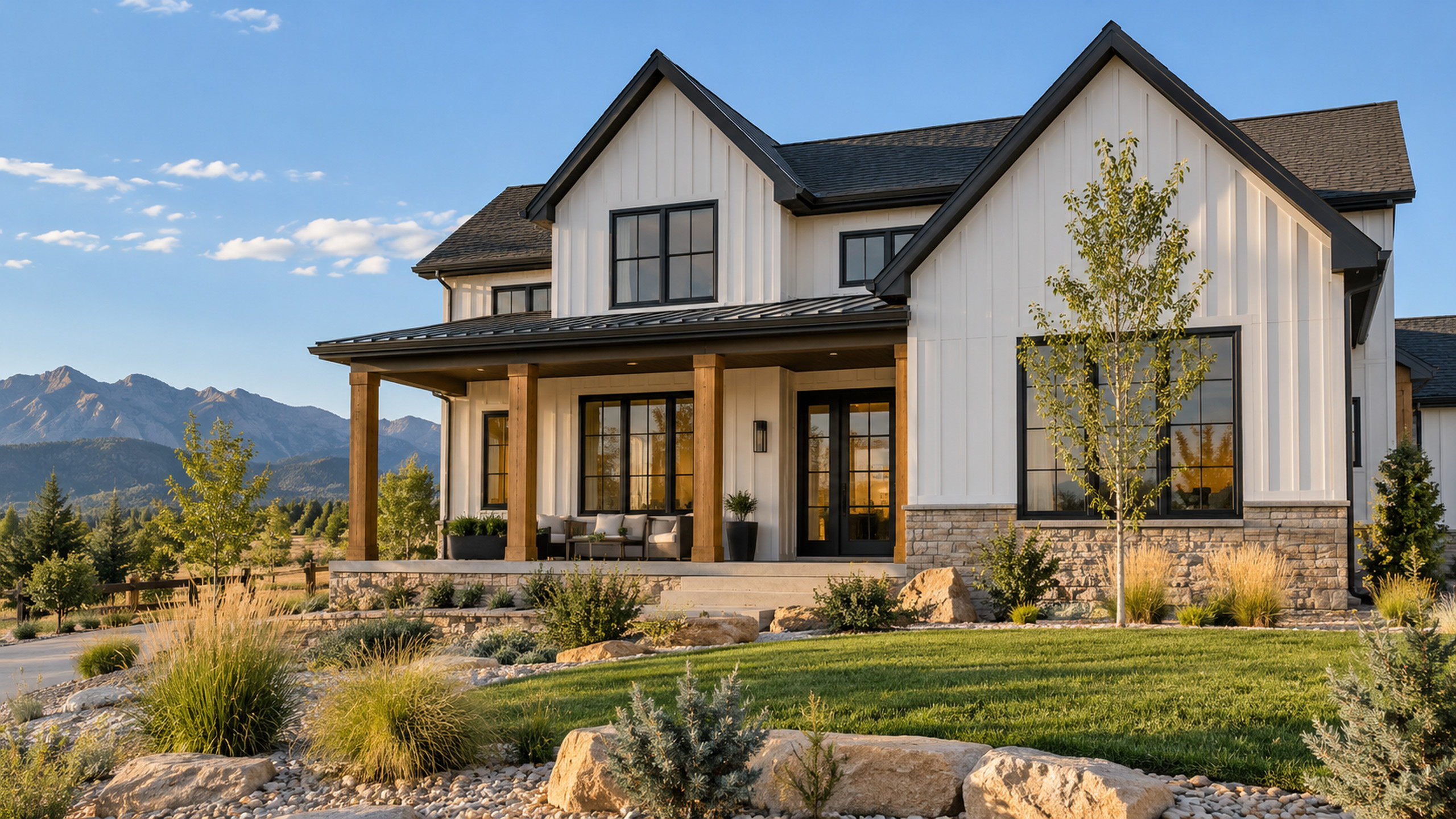
Exterior house painters in Lakewood, CO get the best results when they start with one question: what is your house made of? Wood siding, stucco, and fiber cement each fail in a different way, so each needs different prep, primer, and paint. This guide from AXXESS Painting and Remodeling explains the differences so you can judge any estimate.
- Wood siding: moisture control and priming decide how long the paint lasts.
- Stucco: cracks, cure time, and an alkali-resistant primer matter most.
- Fiber cement: clean gently, use 100% acrylic paint, and never paint wet boards.
- Before you hire: ask what prep is included for your siding type, not just which paint brand.
AXXESS Painting and Remodeling is a licensed and fully insured painting and remodeling company based in Thornton, Colorado. We serve the Lakewood area, and we do not have an office there. Our process has four steps and ends with a final walkthrough, so you see the finished work before it is called done.
A quick note on scope. This post is about surfaces and prep. Weather timing, sun exposure, and brick are covered in our other posts, and we link to them below. Here we focus on the siding itself, because that is where most Lakewood exterior estimates quietly differ.
Why does siding type change how a Lakewood exterior gets painted?
Siding type changes the prep, the primer, and the paint, because each material absorbs water and flexes differently. Wood swells and shrinks, stucco is porous and alkaline, and fiber cement is stable but needs gentle cleaning. A painter who uses one routine for all three is guessing.
Think of paint as a thin skin. It only lasts if the surface under it is clean, sound, and dry. The skin fails at the weak point, which is different on each material.
That is why two Lakewood estimates for the same house can look far apart. One may include scraping, wood repair, priming, and caulking. The other may include a power wash and two coats. Both say "exterior painting," but they are not the same job.
When you collect estimates, ask each painter to write down the siding type they see and the prep steps for it. If the estimate does not mention your siding at all, ask why.
One more habit helps on any siding. Walk the house with the painter before the estimate and point out the trouble spots you already know about, such as a stained corner, a bubbling patch, or a gap near a window. Those spots tell the painter where water is getting in, and they should show up in the written scope with a plan for each one.
What does painted wood siding need to last?
Painted wood siding needs moisture control and a good primer. USDA Forest Service research says moisture control is a critical way to improve how paint and solid-color stain perform on wood siding. In practice, that means sealing exposed wood and fixing water problems before painting.
Prime the bare wood and the end grain
The same Forest Service abstract says sealing the end grain of boards with primer decreases paint peeling. End grain is the cut end of a board, and it soaks up water faster than the face. Any bare or repaired spot should get primer before the topcoat.
Fix the water source first
The research also points to roof overhangs, ground clearance, flashing, gutters, and downspouts as part of keeping siding dry. A fresh coat over siding that keeps getting wet will not hold. If you see peeling under a leaking gutter, repair the gutter and the paint together.
Scrape, sand, and caulk
Loose paint has to come off. Paint over a flaking edge and the new coat flakes with it. Gaps at trim joints and corners should be caulked with an exterior-grade product so water has fewer ways in.
Pressure washing can help clean wood, but it can also force water behind boards. A careful painter keeps the pressure low and lets the wood dry before coating.
How do you paint stucco the right way?
Painting stucco starts with inspecting and repairing cracks, then priming with an alkali-resistant primer. Dunn-Edwards advises hydrating and testing new stucco until its pH drops to 10 or below, and says stucco can look dry before it is ready. Paint goes on only after repairs have dried.
Cracks come first
Dunn-Edwards notes that hairline cracking is very common with new stucco, and that cracks let moisture in and can activate residual salts. Hairline cracks, chips, and weak spots should be inspected and repaired before any primer. Repairs and cleaning should dry fully before priming.
New stucco needs patience
The same source says most manufacturers recommend letting fresh stucco cure for at least 28 days with proper hydration before painting. It also says there is no magic number, because the pH has to come down first. Do not rely on appearance. If your stucco was recently applied, ask the painter how they check it.
Primer and finish coat
An alkali-resistant primer helps separate the stucco from the finish coat. Dunn-Edwards also recommends spraying and back-rolling, which means rolling the paint into the texture right after spraying. That pushes the coating into the pits and gaps of the surface.
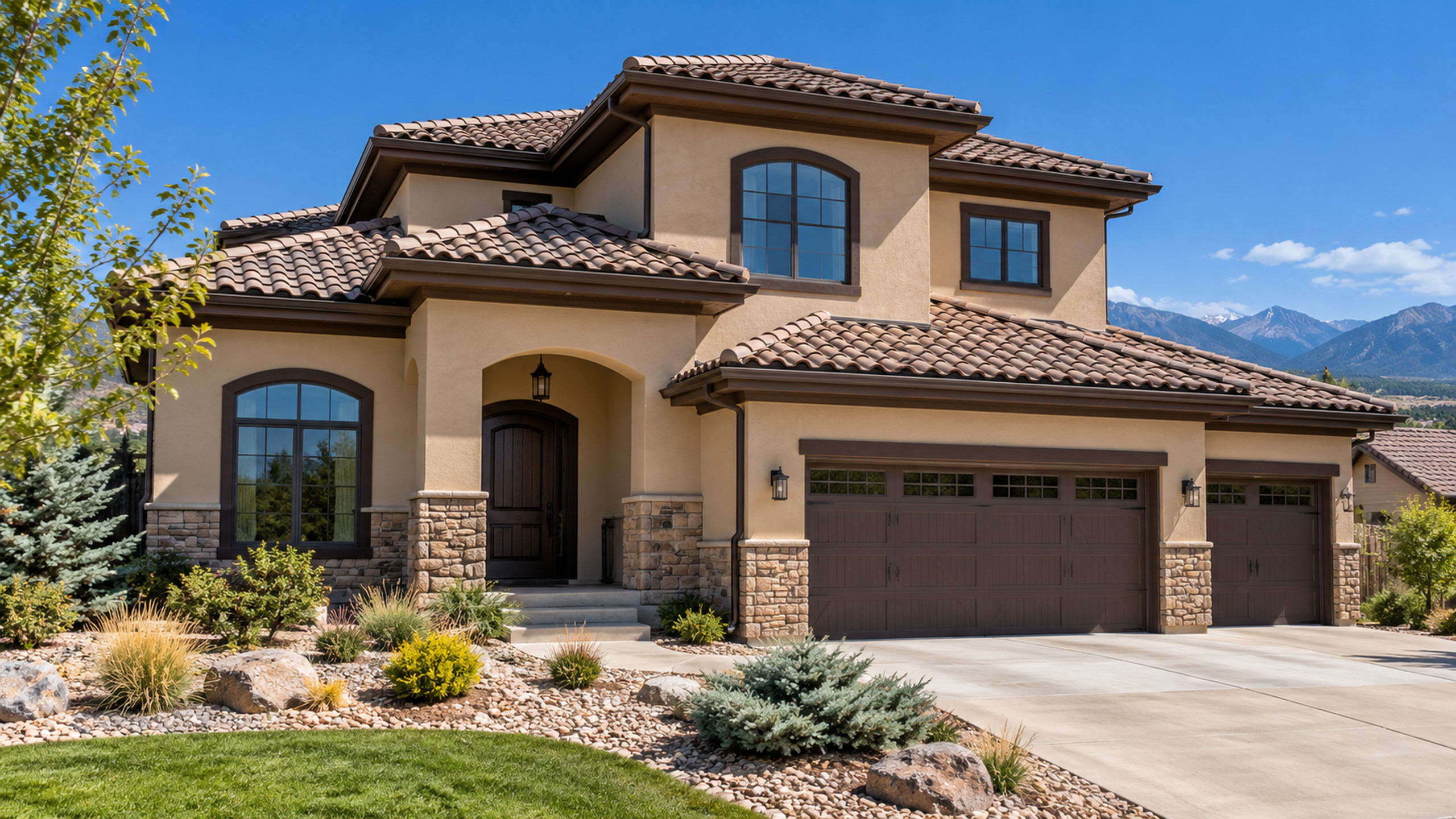
Can you paint fiber cement siding, and how?
Yes, fiber cement siding takes paint well when it is clean and dry. James Hardie's technical bulletin says to use high quality waterborne 100% acrylic exterior paint, and not to paint wet siding. It also says not to use oil or alkyd based paint on its products.
Clean gently
The bulletin says low pressure water or a medium bristle nonmetal brush is better for cleaning fiber cement. It warns that high pressure water blasting and sand blasting may damage the surface, and that acid washing is not recommended. If a pressure washer is used, it says to use wide fan tips at pressures under 1,500 psi and at safe distances.
Mind the cut edges
Per the same bulletin, any field cut edges should be painted or primed. Cut edges are where boards were trimmed during installation. If your siding has had repairs, those edges deserve a look.
Primed or unprimed
For James Hardie primed siding, the bulletin says additional primer is not needed, and asks for a finish coat within 180 days of installation. That applies to that product. If you are not sure what is on your house, ask the painter to identify it before they quote.
Which siding type costs more to prep, and how do they compare?
Prep cost depends on the condition of the surface more than the material. Peeling wood with rot needs carpentry. Cracked stucco needs patching. Healthy fiber cement may need only cleaning and caulk. We do not list prices here because they vary by house, and the only reliable number is a written estimate.
- Wood siding: expect scraping, sanding, spot priming, caulking, and sometimes board repair. Watch for moisture sources.
- Stucco: expect crack repair, cleaning, an alkali-resistant primer, and careful application into the texture.
- Fiber cement: expect gentle cleaning, caulking at joints, and 100% acrylic paint. Check cut edges.
- Mixed siding: many homes combine materials, such as stucco with wood trim. Each one needs its own prep.
The takeaway is simple. Do not compare estimates by the number of coats alone. Compare them by prep and by what happens at each trouble spot.
Do you need a permit to paint a house exterior in Lakewood?
A Lakewood handout for homeowners says that other than very minor cosmetic work, all construction requires a building permit. It does not define cosmetic work or mention painting by name. For siding replacement or repairs, call the city at 303.987.7500 and confirm before work starts.
Painting alone is usually the simple case. Replacing siding, rebuilding trim, or opening walls is a different story. If your project includes repairs beyond paint, ask the city whether a permit is needed, and ask your contractor who handles it.
The handout also lists the city's online permit portal at Lakewood.org/eTRAKiT. Rules change, so check with the city rather than relying on this post.
Is lead paint a concern on an older Lakewood home?
It can be. The EPA says its Renovation, Repair and Painting rule applies to homes built before 1978, and that approximately three-quarters of homes built before 1978 still contain some lead-based paint. The rule covers anyone paid to disturb painted surfaces in those homes.
Scraping and sanding are the usual ways paint gets disturbed during exterior prep. The EPA recommends that homeowners hire a lead-safe certified contractor for pre-1978 homes. Ask any painter you hire about their lead-safe practices if your home is older.
We cover this topic from the interior side in our post on interior painters in Lakewood.
What should you ask exterior painters before signing?
Ask what siding they see, what prep they plan for it, which primer and paint they will use, and how they handle repairs. Ask who is licensed and insured, how you will communicate during the job, and what the final walkthrough looks like. Written answers beat verbal ones.
- What is my siding made of, and what prep does it need?
- Which primer and paint will you use on each surface, and why?
- How do you handle rotted wood, cracks, and failed caulk?
- If my home was built before 1978, how do you handle lead-safe work?
- Are you licensed and fully insured? Can I see proof?
- Who do I contact with questions during the job?
That last question matters more than it seems. A job runs better when you can reach someone quickly. Responsive communication is one of the things we focus on at AXXESS.
Where to read next
Timing and sun exposure change how paint cures, and we cover that in exterior house painters in Aurora. If your home is brick, read painting brick homes in Denver. For doors and trim, see exterior trim and door painting in Parker.
How does AXXESS approach an exterior paint job?
AXXESS Painting and Remodeling follows a four-step service process that ends with a final walkthrough. We are licensed and fully insured, use premium materials and techniques, and keep communication responsive. You can read more about our interior and exterior painting services and our company.
If your exterior needs more than paint, we also handle general residential construction, including repairs that come up once the old paint is off. One crew and one point of contact keeps the work simple.
Frequently asked questions about exterior painting in Lakewood
Do I need to prime before painting my house exterior?
It depends on the surface. Bare or repaired wood should be primed, and the Forest Service says sealing end grain with primer decreases peeling. Stucco calls for an alkali-resistant primer. James Hardie says its primed siding does not need additional primer. Ask your painter what applies to your siding.
Can I pressure wash my house before painting?
Often yes, but pressure and technique matter. James Hardie says high pressure water blasting may damage fiber cement and recommends low pressure under 1,500 psi with wide fan tips if a washer is used. Wood should dry before coating. Wet surfaces cause paint problems.
How long should new stucco cure before painting?
Dunn-Edwards says most manufacturers recommend at least 28 days with proper hydration, but also says there is no magic number. The pH should drop to 10 or below first. Stucco can look dry and still not be ready.
Does painting my exterior need a Lakewood building permit?
Lakewood's homeowner handout says that other than very minor cosmetic work, all construction requires a building permit. It does not define cosmetic work. Call 303.987.7500 to confirm for your project, especially if siding or trim will be replaced.
Why do some exterior estimates cost much more than others?
The scope is often different. One estimate may include scraping, repairs, priming, and caulking, while another includes only washing and painting. Ask each painter to list the prep steps for your siding so you compare the same work.
Ready for a Lakewood exterior estimate?
Siding decides the prep, and prep decides how long your paint looks good. If you want a clear, written scope for your wood, stucco, or fiber cement exterior, AXXESS Painting and Remodeling is ready to help. Call (720) 226-5092 or request a free estimate at axxesspainting.com/company/contact.
Sources we opened: USDA Forest Service Research, Dunn-Edwards: Paint Fresh Stucco, James Hardie Technical Bulletin 22, City of Lakewood permit handout, EPA RRP Program.
