axxessp.r1@gmail.com
Thornton, Colorado




Deck and Patio Construction Before Winter Hits the Front Range
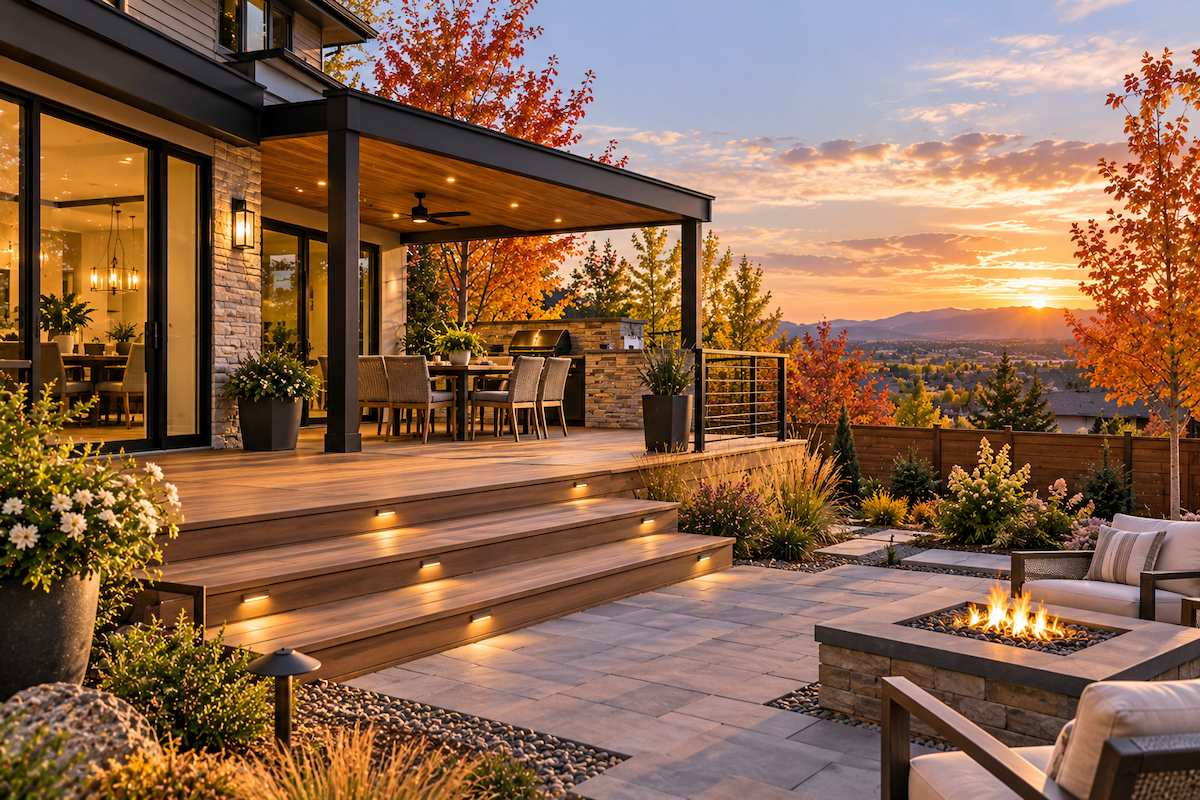
If you have been putting off a new deck or patio until "next year," the Front Range calendar is working against you. Cooler nights are already settling into Thornton and the surrounding metro, and that shift changes what is realistic for deck and patio construction before winter. Homeowners often assume outdoor building season ends the same day exterior painting does, but decks and patios run on a different clock, one tied to frost depth, concrete curing temperatures, and how fast the ground freezes. This guide walks through how late you can realistically start, what affects the timeline, and how to decide whether to push forward now or plan for spring.
Quick Summary
How Late Can You Build a Deck or Patio in the Denver Area?
In most years, a Denver metro contractor can start deck or patio construction into October and, in a mild stretch, even early November, as long as footings can be dug to the required frost depth before the ground freezes solid and concrete can cure above freezing temperatures. Once nighttime lows start sitting consistently below freezing, usually sometime in November for the Thornton and greater Denver area, outdoor construction becomes a lot less predictable. The honest answer is that "how late" depends less on the calendar date and more on that fall's actual weather pattern, so it is worth getting a site visit scheduled early rather than waiting until the first hard freeze to find out.
Why Frost Line Depth Matters for Deck and Patio Footings
Frost line depth is the point below ground where soil no longer freezes in a typical winter. Building codes require footings, whether for a deck, a covered patio, or an addition, to be dug below that depth so the ground beneath them will not heave and shift as it freezes and thaws. In the Denver metro, that depth is commonly cited around 36 inches for cities such as Denver, Aurora, and Lakewood. Thornton and the surrounding north metro area typically work from a similar standard, but frost depth requirements are set locally, so the number that actually applies to your property should always be confirmed with the Thornton building department or your contractor before footings are dug.
What This Means for Fall Projects
Digging a footing to 36 inches or more is straightforward in October, while soil is still workable. Once the top layer of ground starts to freeze, that same hole becomes a much bigger job, and in some cases it is not practical at all until spring thaw. That is the real deadline behind "how late can you build," more than any specific date on a calendar.
How Cold Weather Affects Concrete and Construction Timelines
Concrete needs to stay above freezing while it cures, or the water inside the mix can freeze before the chemical reaction that hardens it is complete, which weakens the finished footing, slab, or patio. Contractors can extend the season somewhat with insulated blankets, heated enclosures, or cold weather concrete mixes, but those steps add cost and are usually reserved for projects that are already underway rather than new builds started from scratch in December or January.
Wood Framing in Cold Weather
Wood framing for a deck is less temperature sensitive than concrete, but shorter daylight hours, snow, and icy job sites still slow crews down and affect safety. Most Front Range builders plan to have framing and decking finished before the weather turns consistently wintry, then handle railings, stairs, and finishing touches as conditions allow.
Deck and Patio Construction Costs in the Denver Area
Costs vary widely based on size, material, site access, and design complexity, so the ranges below are general starting points rather than a quote. Because pricing shifts with material costs and project scope, any figure you see here should be confirmed against a current, written estimate before you budget a project.
Project TypeTypical Cost RangeNotesPressure treated wood deckRoughly $34 to $69 per square foot installedLower end of material cost, widely available, needs periodic staining or sealingCedar or redwood deckGenerally higher than pressure treated, often in a similar installed range with pricier materialsMore natural color and grain, still needs regular maintenanceComposite deckingTypically toward the higher end of the installed rangeHigher material cost, usually less yearly upkeepConcrete, paver, or stone patioVaries by material and finish; ask for a written estimateOften less expensive per square foot than an elevated deck, but design and material choice swing the price significantly
A typical full deck project in the Denver area often lands somewhere in the $5,000 to $14,000 range depending on size and materials, though larger or highly custom builds can run well beyond that. These figures are general market ranges gathered from current Denver area pricing sources and should be treated as a starting point for budgeting conversations, not a fixed quote.
How Long Does It Take to Build a Deck or Patio?
Once permits are approved and materials are on site, a standard size deck typically takes roughly one to two weeks of active construction. The full timeline from first conversation to finished project is usually longer, since design, permitting, and scheduling all happen before a crew ever breaks ground.
PhaseTypical TimeframeDesign and material selectionA few days to several weeks, depending on how custom the design isPermittingRoughly one to a few weeks, depending on the jurisdiction and project scopeSite prep and footingsAbout a week, longer if the ground is difficult to work or weather interferesFraming and decking, or patio base and surfaceRoughly one to two weeks for a standard projectRailings, stairs, and finishing detailsAbout a week
Weather is the biggest wildcard on this list. A stretch of early snow or a hard freeze can push a project back by days or weeks, which is part of why starting the conversation early in fall gives you more flexibility than waiting until the last mild weekend of the year.
Should You Build Now or Wait Until Spring?
There is no universally right answer here, it depends on your project size, how firm your timeline is, and how much schedule flexibility you have. A smaller deck or a simple patio refresh can often still be completed before the ground freezes if you start soon. A larger, more custom project may make more sense to design and permit now, with construction scheduled for as soon as the ground thaws in spring, which also means you are not competing with every other homeowner who waited until April to call a contractor.
Signs Your Project Should Wait Until Spring
If your project involves a large footprint, a covered structure, or extensive excavation, and you are already into late October or November, waiting is usually the more reliable choice. Rushing footings into ground that is starting to freeze, or pouring concrete when overnight temperatures are unpredictable, tends to create problems that show up later as cracking, settling, or an uneven surface, none of which are easy to fix after the fact.
Steps to Plan a Fall Deck or Patio Build
Fall Deck and Patio Planning Checklist
Bringing It All Together
Deck and patio construction before winter is possible in the Denver area more often than homeowners expect, but it depends on frost depth, concrete curing temperatures, and how much of the project you can realistically complete before the ground locks up. Smaller projects started soon often still make it. Larger ones are frequently better served by locking in design and permitting now and building as soon as the ground thaws. Either way, our crews serve homeowners throughout Thornton, Denver, Westminster, Boulder, Broomfield, Erie, Aurora, Brighton, Arvada, and the greater Front Range, and we are happy to walk your property and give you an honest read on what your timeline looks like this year. Call us at 720-226-5092 to schedule a visit, whether that means getting started this fall or getting ahead of next spring's rush.
Frequently Asked Questions
How late in the year can you build a deck in Denver or Thornton?
It depends on the weather that particular year, but many Front Range contractors can still start deck projects into October and sometimes early November, as long as footings can be dug below frost depth and concrete can cure above freezing. Once nighttime lows drop consistently below freezing, new construction typically shifts to spring.
Do I need a permit to build a deck or patio in Thornton, Colorado?
In most cases, yes, especially for an elevated deck or any structure attached to your home. Permit requirements and frost depth rules are set locally, so the most accurate answer for your specific property comes from the Thornton building department or a licensed contractor familiar with local code.
Can concrete be poured in cold weather?
Concrete can be poured in cooler temperatures with the right precautions, such as insulated blankets or cold weather mixes, but it needs to stay above freezing while curing or the finished footing or slab can be weakened. For new construction, most contractors prefer to avoid pouring once temperatures become unpredictable.
Is it cheaper to build a deck in fall or spring?
Material and labor pricing do not usually swing dramatically by season, but fall scheduling can sometimes be more flexible since contractor calendars tend to fill up fastest in spring. The bigger cost risk with a late fall build is weather delays, not the season itself.
How deep do deck footings need to be in the Denver area?
Frost depth requirements in the Denver metro are commonly cited around 36 inches for cities like Denver, Aurora, and Lakewood, and Thornton generally follows a similar standard. The exact depth required for your property should always be confirmed with your local building department before footings are dug. Contact us Today, (720) 226-5092.
